
Personal information. Never share it. Ever. Protect your personal information (bank account number, Social Security number, and date of birth) as well as your Online Banking login credentials. At all times.
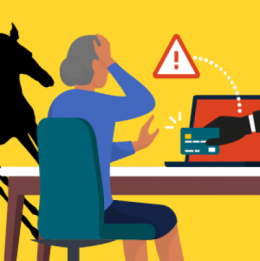
Cybercriminals keep finding new ways to attempt to defraud you. From being asked to make a mobile deposit from a computer screen while applying for a grant online to being “friended” by someone you don’t know on Instagram and being caught off guard, the scam methods go on and on. Reduce your chance of becoming a victim by putting these three fraud prevention practices into action:
1. Don’t reply to an email, phone call, or text message that does any of the following:
- Threatens to close or suspend your account if you don’t take immediate action.
- Tells you your account has been compromised and then asks you to give your personal information or account information.
- Asks you to provide your personal information directly in the email or on a website the emails sends you to.
- Contains a generic message such as “check this out” or “thought you’d be interested in this.”
2. Safeguard Your Username & Passwords
- Change your passwords often. Even if the website does not require it, it is a good practice to change your passwords at least every six months.
- Never disclose your login credentials to other people or companies.
- Do not store your ID and password information where others could have access to it. It is best not to write the information down at all.
3. Stay Alert
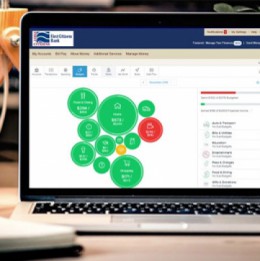
If you monitor your accounts regularly, you may help stop fraud earlier. Accessing your accounts online – with First Citizens Online Banking or Mobile Banking – is a great way to stay informed. Below are some common red flags to help you know what to look for:
- You did not receive an expected bill or statement by mail.
- Unexpected charges occurred on your account.
- Checks post to your account that are out of sequence from your current range.
- You find a new account on your credit report that you do not recognize.
- You receive a new credit card that you did not apply for.
- You are denied credit or offered less than favorable credit terms for no reason.
- You get calls from creditors or debt collectors regarding merchandise or services that you did not buy.
- You receive a check you were not expecting or that is for the wrong amount, especially if you are asked to wire the funds out directly after the deposit.
The bottom line is this: You should never give out Online Banking credentials for refunds, grants, loans, etc. This is not a valid form of money transfer! Remember that if it sounds too good to be true, it probably is.
If you think you've been scammed, have been a victim of fraud, or are wondering if something is legitimate, please contact us at 800-423-1602. We are here to help.
For the most recent scam alerts, visit https://www.consumer.ftc.gov/features/scam-alerts
December 7, 2020 by First Citizens Bank
By clicking the links above, you are now leaving First Citizens Bank's website and are going to a website that is not operated by the bank. First Citizens Bank is not responsible for the content; availability of linked sites; does not endorse or guarantee the products, information, or recommendations; and is not liable for any failure of products or services provided by the linked website. Please be advised that First Citizens Bank does not represent either the third party or you, the customer, if you enter into a transaction. Further, the privacy policy of this site owner may be different than that of the bank and this site may provide less security than the bank's website. We encourage you to read the privacy policies of websites reached through the use of links from the First Citizens Bank website.