
As if life isn’t unpredictable enough, now all sorts of COVID -19 scams are erupting. It’s quite apparent that during times of hardship there are bad people out there who cannot resist the opportunity to prey upon human vulnerabilities. To fend off these scams, we are urging everyone to take extra care and protect their personal information (ex. bank account number, Social Security number, and date of birth).
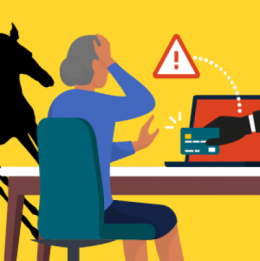
Scammers will try to trick you by approaching you with timely information they know you are interested in. They may make themselves appear to come from a familiar source. Their goal is to catch you off guard and have you do what they want before thinking your actions through. They will try to get in touch with you by phone, email, postal mail, text, or social media.
Here are some recent scams that have been topping the charts:
- Receiving funds stating Unemployment Benefit, Cares Act, or other deposits that you are unaware of AND you did not apply for the benefits directly with a government agency.
- Receiving Unemployment Checks from a state that you don’t live or work in.
- For those who applied for a grant, it is being sent to them as Unemployment Benefits.
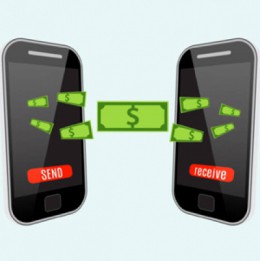
- Receiving a deposit you were not expecting and then being asked to send part of it back as a refund or to a “friend” by using gift cards or funds via a money transfer app (ApplePay, Vemno, Zelle, Paypal).
- Being conned in a romance fraud to urgently send your “love connection partner” funds in the same payment manner as the scam above.
It is important, now more than ever, to be aware of ongoing scams and be prepared as much as possible to combat such attempts. To help safeguard yourself, review your credit reports often. For the next year, you can check your reports every week for free through AnnualCreditReport.com. This can help you spot any new fraud quickly.
Ignore any unknown numbers that call you. You don’t have to answer the phone. Sometimes potential scam victims get emotional or feel stuck because of a particularly aggressive scammer on the other side of the phone. They want you to stay on the line, they might even make threats to keep you on the line, but despite what the scammer wants you to believe, you are in control of the situation. If someone is threatening or frightening you, hang up and call the police.
If you receive an unexpected e-mail, check for misspellings or grammatical errors. If you weren’t expecting an e-mail, don’t click links or download attachments. Scammers often use fake links and attachments to install malicious software on your computer in this process called “phishing.”
If you get benefits you never applied for, report it to your state unemployment agency, and ask for instructions. Don’t respond to any calls, emails, or text messages telling you to wire money, send cash, or put money on gift cards. Your state agency will never tell you to repay money that way. Anyone who tells you to do those things is a scammer. Every time.
If you think you've been scammed, have been a victim of fraud, or are wondering if something is legitimate, please contact us at 800-423-1602. We are here to help.
Online resources to check out:
https://www.consumer.ftc.gov/features/scam-alerts
https://www.usa.gov/common-scams-frauds#item-214623
https://www.bbb.org/article/news-releases/22128-scam-alert-this-venmo-scam-sends-you-money-by-accident
Shopping online? Click here for an article and video with some useful tips on how to keep your data secure.
July 6, 2020 by First Citizens Bank
By clicking the links above, you are now leaving First Citizens Bank's website and are going to a website that is not operated by the bank. First Citizens Bank is not responsible for the content; availability of linked sites; does not endorse or guarantee the products, information, or recommendations; and is not liable for any failure of products or services provided by the linked website. Please be advised that First Citizens Bank does not represent either the third party or you, the customer, if you enter into a transaction. Further, the privacy policy of this site owner may be different than that of the bank and this site may provide less security than the bank's website. We encourage you to read the privacy policies of websites reached through the use of links from the First Citizens Bank website.