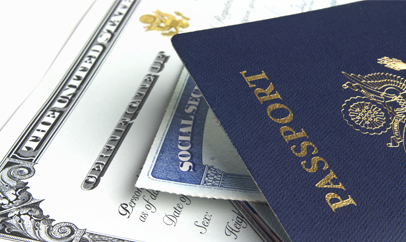
 1. A bank's safe deposit box is a good place to store originals.
Good candidates include originals of key documents, such as birth certificates, property deeds, car titles, and U.S. Savings Bonds that haven't been converted into electronic securities. Other possibilities include family keepsakes, valuable collections, pictures or videos of your home's contents for insurance purposes, and negatives for irreplaceable photos. (Another option may be to store digital images of important documents and photos on a secure Web site that you can access from anywhere over the Internet.)
2. If quick access is a must, use a home safe.
You probably wouldn't want to use your bank safe deposit box to store anything you might need to access quickly, perhaps on a night, weekend or holiday. That could include passports and originals of your "powers of attorney" that authorize others to transact business or make decisions about medical care on your behalf. For guidance on where to store your original will, check with an attorney about what is required or recommended based on state law.
3. You're better off stashing your cash in a bank deposit account, like a savings account or certificate of deposit, than in a home safe or a safe deposit box.
Unlike money in a savings account, money in a home safe or safe deposit box cannot earn interest, so the purchasing power of your cash will decrease. Plus, cash that's not in a deposit account isn't protected by FDIC insurance. First Citizens has a variety of savings accounts to choose from. Click here to learn more!
4. A home safe isn't a true replacement for a bank's safe deposit box.
A home safe may be good for replaceable items you may need immediate access to – such as a passport – but home safes are not as secure as safe deposit boxes. A burglar could more easily break into a home, haul off the entire safe, and access the contents than get inside a safe deposit box.
5. No safe deposit box or home safe is completely protected from theft, fire, flood or other loss or damage.
Consider taking precautions, such as protecting against water damage by placing items in plastic containers or zip-lock bags. And, don't keep identifying information on or near your safe deposit box key, such as the box number and the bank's name, in case of loss or theft. Remember that, by law, FDIC insurance covers only deposit accounts. If you want protection for the valuables in your safe deposit box or home safe, talk to your insurance agent.
August 5, 2019 by First Citizens Bank
By clicking the links above, you are now leaving First Citizens Bank's website and are going to a website that is not operated by the bank. First Citizens Bank is not responsible for the content; availability of linked sites; does not endorse or guarantee the products, information, or recommendations; and is not liable for any failure of products or services provided by the linked website. Please be advised that First Citizens Bank does not represent either the third party or you, the customer, if you enter into a transaction. Further, the privacy policy of this site owner may be different than that of the bank and this site may provide less security than the bank's website. We encourage you to read the privacy policies of websites reached through the use of links from the First Citizens Bank website.