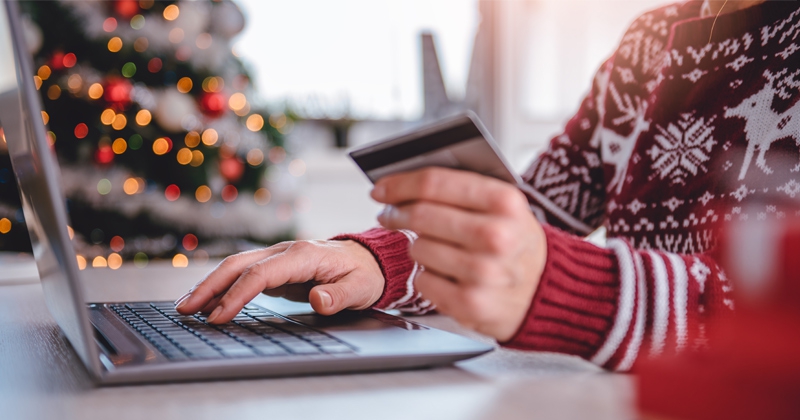
During the holiday season, millions of people will be looking online to buy the perfect gifts. What’s not to love? You make a list, check it twice, and then shop shop shop. It’s fast, convenient, and lets you avoid the crowds, however online shopping may make you vulnerable to identity theft. Here are some helpful tips to stay safe when shopping via the internet this holiday season:
- Shop at websites you trust
On the web, some businesses are fabricated by cyber criminals who are after your credit card information and other personal details. Just because the site seems professional does not mean it’s safe. Does it have a legitimate mailing address and phone number for sales and support related questions? Is there poor grammar and spelling? If so, you could be on a bogus website. Look for websites that start with “https.” These websites mask any data you share, typically on pages that ask for passwords or financial information. If you don’t see “https” then the webpage isn’t secure. There is no privacy protection attached to these pages. To play it safe, do online business only with well-known retailers you trust and have safely shopped with in the past.
- Avoid public Wi-Fi
It’s never a good idea to shop online or log in to any website while you’re connected to public Wi-Fi. Wi-Fi networks use public airwaves. With a little tech know-how, someone could intercept the data you send and receive. Shopping online usually means giving out information that an identity thief would love to grab, including your name and credit card information. Bah humbug to that! You never know if your information is being tracked and logged — so it's best to wait until you get home.
- Create strong passwords
If someone has the password to your account, they could log in, change the shipping address, and order things while you get stuck with the bill. Help keep your account safe by locking it with a strong password. Here are some tips on how:
• Use a complex set of at least 10 lowercase and uppercase numbers, letters, and symbols.
• Don’t use personal information that others can find or guess, such as birth dates, your pet’s name, or your favorite color.
• Don’t use the same password — however strong — on multiple accounts. A data breach at one company could give criminals access to your other, shared-password accounts.
- Watch out for email scams
Sometimes something in your email in-box can stir your holiday consumer cravings. For example, it might be tempting to open an email that promises a “special offer.” But that offer could be special in a bad way. Clicking on emails from unknown senders and unrecognizable sellers could infect your computer with viruses and malware. It’s better to play it safe. Delete them, don’t click on any links, and don’t open any attachments from individuals or businesses you are unfamiliar with.
- Mind the details
The holiday season is a busy time, but it’s smart to stay organized. After you make a purchase, keep the receipt, order confirmation number, and postal tracking number in a safe place. If you have a problem with the order, this information will help the merchant resolve the problem. Also, check your statements for any fraudulent charges. When you receive a text or email about a charge, you can check the message and likely easily recall whether you made the charge or not.
For even more information about staying safe online, check out the security center on our website.
December 10, 2018 by First Citizens Bank
By clicking the links above, you are now leaving First Citizens Bank's website and are going to a website that is not operated by the bank. First Citizens Bank is not responsible for the content; availability of linked sites; does not endorse or guarantee the products, information, or recommendations; and is not liable for any failure of products or services provided by the linked website. Please be advised that First Citizens Bank does not represent either the third party or you, the customer, if you enter into a transaction. Further, the privacy policy of this site owner may be different than that of the bank and this site may provide less security than the bank's website. We encourage you to read the privacy policies of websites reached through the use of links from the First Citizens Bank website.